Tumbas: A Handwritten Font with Indonesian Soul
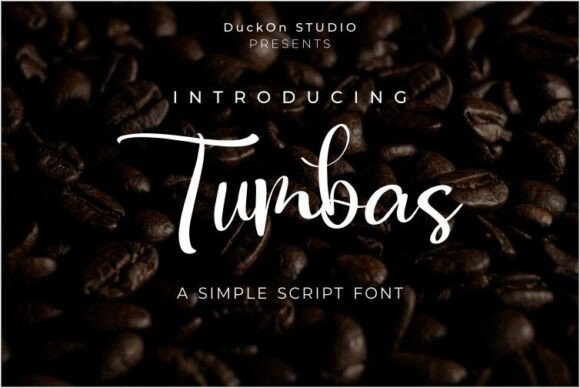
There’s a certain warmth you feel in a bustling local market — the kind where handwritten price tags, chalkboard menus, and friendly exchanges carry a story. That’s the spirit behind Tumbas, a premium handwritten script font inspired by the authenticity of Indonesian culture. Named after the Javanese word for “to buy,” Tumbas isn’t just a typeface; it’s a connection to tradition, craft, and the human touch that makes everyday interactions meaningful.
More Than a Font: A Voice for Your Brand
Tumbas is a creative font designed to flow like real handwriting. Its smooth curves and casual strokes give it an approachable, friendly feel — perfect for designs that need a personal and heartfelt voice. Unlike rigid display fonts, Tumbas carries the subtle imperfections and rhythm of hand-lettering, making it feel genuine and inviting. Whether you’re working on logo design, editorial design, or social media graphics, this font adds a layer of warmth that resonates with audiences looking for authenticity.
In today’s digital landscape, where polished and generic visuals are everywhere, a handwritten font like Tumbas helps brands stand out. It’s particularly effective for businesses that want to convey care, craftsmanship, and a down-to-earth personality — think artisanal food brands, boutique studios, local cafes, or independent publishers. When used thoughtfully, Tumbas can strengthen brand identity by making visual communication feel more human and relatable.
Where Tumbas Shines: Practical Applications
Tumbas is versatile enough to work across a wide range of projects. Its natural flow makes it an excellent choice for packaging design, especially for products that emphasize handmade quality or local roots. Imagine it on a coffee bag label, a jam jar tag, or a bakery box — it immediately tells customers there’s a real person behind the product.
For digital creators, Tumbas brings personality to social media graphics, Instagram quotes, blog headers, and email newsletters. Its casual elegance helps content feel less corporate and more conversational, which can improve audience engagement. In web design, it can be used for headings or accent text to break the monotony of standard sans serif or serif fonts, adding visual interest without sacrificing readability when used appropriately.
Event planners and designers will find Tumbas ideal for invitations, greeting cards, and stationery. Its heartfelt style suits weddings, birthdays, and personal projects where emotion and individuality matter. Meanwhile, entrepreneurs can use it for café logos, menu designs, or brand collateral that needs a friendly, approachable look.
Design Considerations: Using Tumbas Effectively
Like any script font, Tumbas works best in specific contexts. It’s designed for display use — think headlines, logos, pull quotes, and short bursts of text rather than long paragraphs. Its legibility shines at larger sizes, where its handwritten details can be appreciated. For body text, pairing Tumbas with a clean sans serif or serif font creates a balanced visual hierarchy that guides the reader’s eye.
When testing font pairings, consider how Tumbas interacts with other typefaces. A simple, geometric sans serif can provide contrast and clarity, while a classic serif might add sophistication. The goal is to let Tumbas be the expressive voice in your design, supported by fonts that handle the heavier lifting of readability.
Always review the included styles and characters when working with a premium font like Tumbas. Check for alternate letters, ligatures, and multilingual support to ensure it meets your project’s needs. Also, verify the commercial licensing if you’re using it for client work or business materials — reputable fonts come with clear usage rights.
Ultimately, choosing Tumbas is about matching the font’s personality with your project’s goals. It’s not the right fit for every design, but when used where it belongs, it can elevate your work from ordinary to memorable. It’s a font that doesn’t just display words — it shares a story.