Cowboy Font: Blending Playful Charm with Modern Style
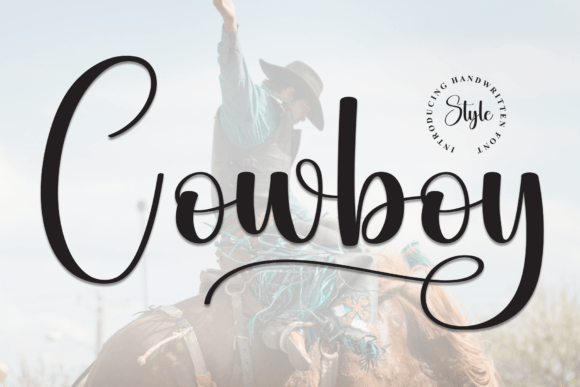
Finding a typeface that feels both personal and professional can be a real challenge. You want something with character, something that tells a story without saying a word. That's where a premium font like Cowboy comes in. It’s a stylish script font that captures the essence of modern elegance with a distinctly playful twist. Its fluid strokes and charming curves create an immediate sense of warmth and approachability, making it a powerful tool in your design assets kit.
At its core, Cowboy is a handwritten font, but don't let that fool you into thinking it's casual or sloppy. The letterforms are carefully crafted with a smooth, flowing rhythm. You'll notice a natural variation in the stroke weight that mimics the pressure of a pen on paper, giving it an authentic, hand-lettered feel. The connections between letters are fluid, creating a seamless, connected script that feels alive and dynamic. This isn't a stiff, formal calligraphy; it's a modern typeface that balances sophistication with a relaxed, confident energy. It’s the kind of creative font that can make a simple invitation feel intimate or a brand logo feel instantly memorable.
Where Cowboy Truly Shines
The real test of any display font is its versatility. Cowboy proves its worth across a surprising range of applications, making it much more than a one-trick pony for wedding stationery. Its personality adapts beautifully to different contexts, adding a layer of human touch and creativity wherever it's used.
In logo design, Cowboy is a standout choice for brands that want to convey authenticity, craftsmanship, or a friendly, approachable vibe. Imagine it on the logo for a boutique coffee roaster, a handmade skincare line, or a cozy neighborhood bakery. The font instantly communicates that there's a real person and a story behind the business. It works exceptionally well for logos that will be used on physical products, like packaging design for artisan goods, where the handwritten style reinforces the quality and care put into the product.
Beyond logos, Cowboy is a fantastic asset for editorial design and publishing. Use it for pull quotes, chapter titles, or article headers in magazines, blogs, and books to draw the reader's eye and add a personal, authorial voice. For social media graphics, it’s perfect for creating eye-catching quotes, sale announcements, or personal messages that feel genuine and engaging. Its web design applications are also noteworthy—while it's not for body text, using it for hero section callouts, special offer banners, or menu headers can add a significant visual punch and help establish a unique brand identity.
Making the Right Design Choices with Cowboy
Integrating a new font into your projects requires more than just liking how it looks. To use Cowboy effectively, you need to consider its practical strengths and how it interacts with other elements in your design. Thinking through these details will ensure your final product is not only beautiful but also clear and professional.
First, always consider readability. As a script font, Cowboy is designed for impact, not for long paragraphs of text. Its legibility is best at larger sizes, making it ideal for headlines, logos, and short call-to-action phrases. Avoid setting entire sentences in small text, as the connected letterforms can become difficult to decipher. A good rule of thumb is to pair it with a clean, simple serif font or sans serif font for body copy. This creates a strong visual hierarchy, where Cowboy commands attention at the top, and the supporting text provides clear, easy-to-read information.
When evaluating if Cowboy is the right fit for a project, look at the overall mood you're trying to create. Does your brand or project call for warmth, creativity, and a personal touch? If the answer is yes, it's a strong contender. Test it by placing it alongside your other design elements—colors, images, and layout. Does it complement or clash? The best font pairing often involves contrast. Try combining Cowboy with a geometric sans serif font for a modern, balanced look, or with a classic serif font for a more elegant, traditional feel.
Finally, review the technical details. Check what's included with the font file. Does it come with alternate characters, ligatures, or stylistic sets? These extras can be incredibly valuable, allowing you to customize the look of the font and create even more unique letter combinations. And, critically, for any commercial work—from a client's logo design to merchandise—ensure you have the correct commercial font license. This protects you and your client and ensures the font's creator is fairly compensated for their work.
Ultimately, Cowboy is more than just a creative font; it's a design tool that helps bridge the gap between polished modern typography and genuine human expression. By understanding its personality and applying it thoughtfully, you can leverage its charm to create designs that are not only visually appealing but also deeply resonant with your audience. It’s a valuable addition for any designer, entrepreneur, or creator looking to add a touch of authentic warmth to their work.