Aloha Olinda: The Dazzling Script Font for Modern Creators
In the world of design, a typeface is more than just letters on a page. It’s a voice, a personality, and a crucial element that can make or break a project. Finding a font that balances elegance with usability, and flair with professionalism, is a constant pursuit for designers, entrepreneurs, and creators alike. Enter Aloha Olinda, a dazzling script font that promises to be a standout asset in any creative toolkit. But what exactly makes it so special, and how can you leverage its potential effectively?
Unpacking the Personality of Aloha Olinda
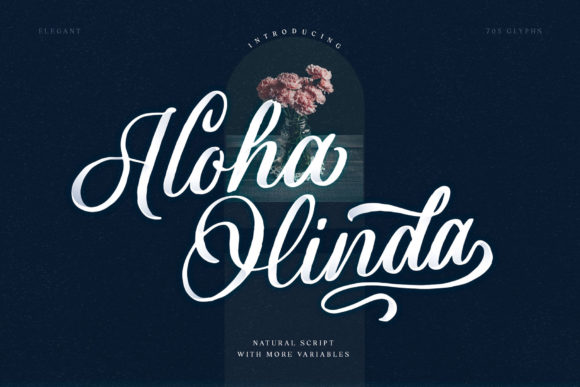
At first glance, Aloha Olinda captivates with its fluid, hand-lettered charm. It’s a script font that feels both personal and polished. The letterforms are neat and highly detailed, with a natural flow that mimics the nuance of skilled penmanship. Unlike some overly ornate scripts, Aloha Olinda maintains a sense of clarity and approachability. Its strokes have a confident rhythm, offering a balance between decorative swashes and legible structure. This isn’t a font that shouts; it converses with a warm, inviting tone.
The character of this typeface sits at a fascinating crossroads. It carries the warmth of a handwritten font, making it perfect for projects that require a human touch. Yet, its careful construction gives it a level of sophistication suited for premium font applications. Whether you’re designing a logo, crafting social media graphics, or laying out editorial content, Aloha Olinda brings a distinct personality that can elevate the entire visual narrative.
Where This Creative Font Truly Shines
The versatility of a font is measured by its application across different mediums. Aloha Olinda proves its worth as a valuable design asset in numerous scenarios. Its strength lies in its ability to adapt, making it a practical choice for a wide array of projects.
For logo design and brand identity, this font is a powerful tool. It can instantly convey a sense of elegance, creativity, or boutique quality. Imagine it for a wedding planner’s logo, a bespoke jewelry brand, or a high-end café. The script style helps establish an immediate emotional connection with the audience, which is fundamental to building a memorable brand.
In editorial design and packaging design, Aloha Olinda excels as a display element. Use it for chapter headings in a cookbook, pull quotes in a lifestyle magazine, or product names on artisanal packaging. Its detailed nature ensures it looks stunning in print, catching the eye without overwhelming accompanying text. For web design, it can be a fantastic choice for hero section headlines, call-to-action buttons, or decorative elements on a landing page, adding personality to a digital interface.
For social media graphics and content creation, its impact is immediate. A quote graphic, a promotional announcement, or a story highlight cover gains instant visual interest. The font’s aesthetic is perfectly suited for the fast-paced, visually-driven world of social platforms, helping posts stand out in a crowded feed.
Even for personal projects like crafting, hobbyist journals, or DIY invitations, Aloha Olinda offers a professional-grade finish. Its PUA encoding is a significant practical benefit here, meaning all glyphs and swashes are easily accessible without needing advanced design software. This makes it user-friendly for everyone from seasoned designers to enthusiastic hobbyists.
Making It Work: Practical Guidance for Using Aloha Olinda
Adopting a new font requires more than just liking its look. You need to consider how it functions within your specific project’s ecosystem. Here’s how to approach using Aloha Olinda effectively.
First, evaluate the project fit. This is fundamentally a display font. Its detailed script style is designed for headlines, titles, and short bursts of impactful text, not for long paragraphs. Using it for body copy would severely compromise readability. Pair it wisely. The classic rule of contrast applies beautifully here. Combine Aloha Olinda with a clean, simple sans serif font for body text. This creates a clear visual hierarchy, where the script draws attention and the sans serif delivers information effortlessly. For a different feel, a traditional serif font can also complement its elegance.
Take time to explore the included styles and glyphs. A quality script font like this often comes with alternate characters, ligatures, and swashes. These extras are what allow you to customize the text, creating unique compositions that feel truly bespoke. Experiment with different letter combinations to see how the connections flow and which alternates best suit your message.
Readability is paramount. Always test your designs at the size they will be viewed. Ensure the word spacing and line height (leading) are adjusted so the text remains legible. The goal is to use its personality without sacrificing clarity. Finally, consider licensing. If your project is commercial, ensure you have the correct license. Most commercial fonts require a specific license for use in products for sale, merchandise, or client work. Verifying this upfront protects you and respects the work of the font’s creator.
Ultimately, Aloha Olinda is more than just a creative font; it’s a tool for storytelling. Its value lies in its ability to inject warmth, sophistication, and a human element into your designs. By understanding its personality, applying it in the right contexts, and pairing it thoughtfully, you can harness its potential to create work that resonates, engages, and leaves a lasting impression. It’s a worthy addition to any designer’s library, ready to enhance projects across the spectrum of modern typography.